Job-Site Debris Sorted and Hauled Correctly
Construction debris removal in Wichita for remodel and demolition waste that requires proper facility routing
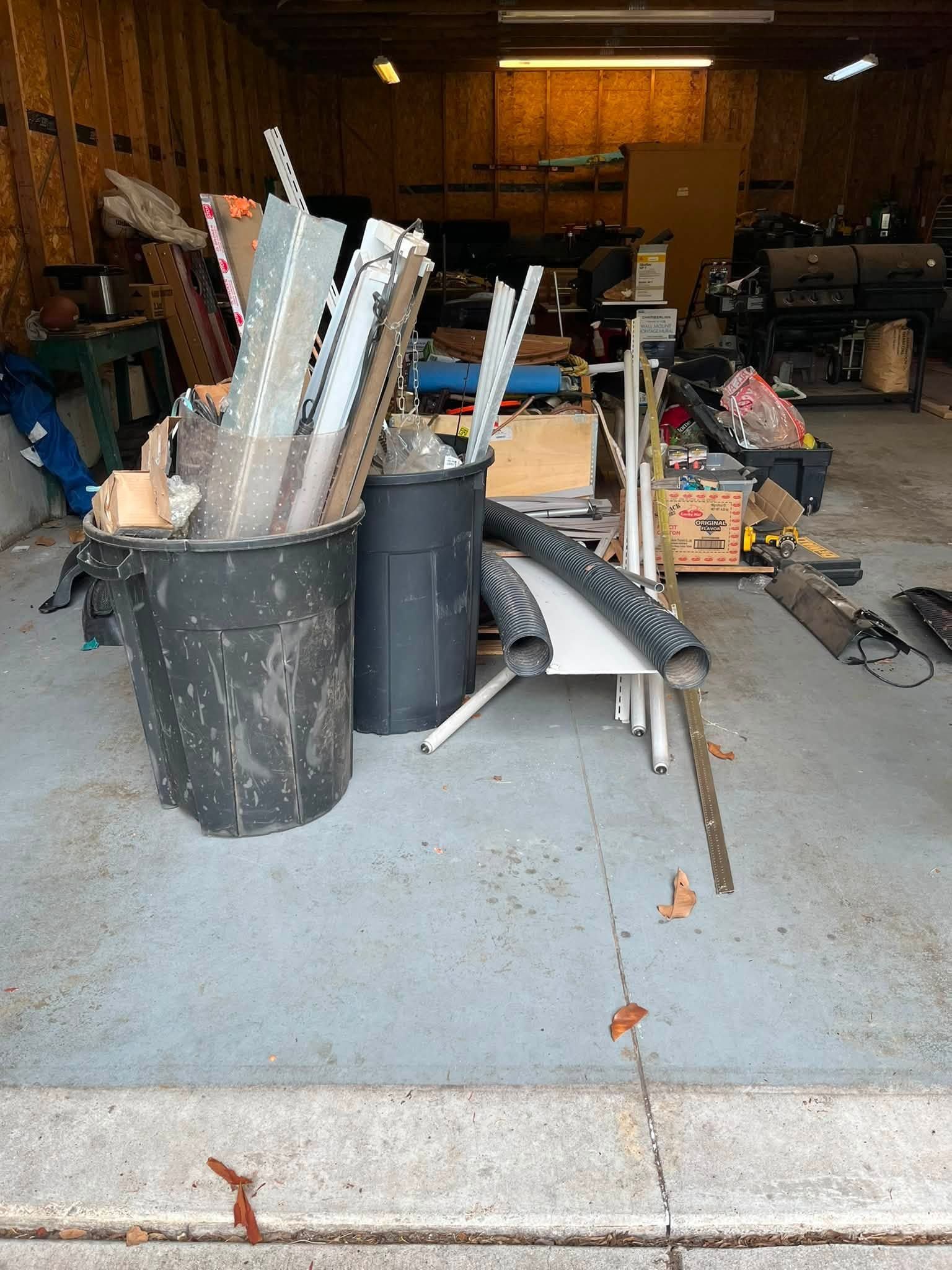
Drywall scraps, framing lumber, broken tile, and roofing material cannot go to the same facility that accepts household trash—and a hauler who does not separate construction and demolition waste from residential items creates a disposal problem that may come back to the property owner. PrimeHaul Junk Removal LLC hauls construction and demolition debris in Wichita and the surrounding metro, sorting material on site into the correct categories before loading. Wichita's mix of active residential remodels—spanning older mid-century bungalows being updated alongside newer construction tearouts—generates consistent job-site waste that needs the right routing, not just the fastest truck available.
The process begins with a photo text showing the debris type and volume. On arrival, the crew separates construction and demolition materials from any household items on site—the two streams go to different disposal facilities, and mixing them is not accepted. Household items found in the debris pile cannot be hauled under the construction debris service and would need to be addressed in a separate load. That segregation happens before loading, not after the truck is already packed.
Send a photo of the debris pile and material types for a direct quote and same-day scheduling confirmation.
Why Construction Debris Goes to Separate Disposal Sites
Construction and demolition waste—drywall, lumber, concrete, roofing material, flooring—is regulated separately from household trash in most jurisdictions because its volume, density, and composition require different processing. PrimeHaul routes sorted construction debris to designated construction and demolition facilities, not to general transfer stations. That distinction matters for compliance on permitted remodel projects where disposal documentation may be required by the contractor or the municipality.
Once the crew finishes loading, the job site is clear of the specific debris type that was quoted—no residual scatter, no material left behind because it was ambiguous at the time. Contractors and homeowners both notice that distinction because it determines whether a second pickup is needed before the next phase of work can begin. A clear site after one haul keeps remodel timelines moving.
In Valley Center and Sedgwick, where residential remodel activity spans both older farmhouses and newer residential developments, the debris types vary significantly between projects—older plaster and lathe from mid-century homes behaves differently than drywall from a new-build tearout. Noting the specific material types in the photo text allows the crew to confirm the load qualifies and plan the appropriate disposal route before arriving.
Questions Before Starting Your Debris Removal Project
The following questions address how construction debris removal differs from standard junk hauling, what the crew sorts on site, and how material type affects the disposal process.
Why does construction debris need to go to a different facility than household junk?
Construction and demolition facilities are permitted and equipped to process material at the volumes and densities produced by remodeling work. General transfer stations serving household waste are not rated for those loads and may reject mixed debris.
What happens if household items are mixed into the debris pile before the crew arrives?
Household items cannot be accepted in a construction debris load because they route to different facilities. The crew separates the categories on site, but household items left in the pile will need to be pulled and handled as a separate haul or removed by the property owner before loading begins.
How does the crew determine which materials qualify as construction and demolition waste?
Drywall, lumber, framing material, roofing shingles, broken tile, concrete, and similar structural materials qualify. Items like appliances, furniture, or bagged household trash do not—those require their own service.
What should you include in the photo when requesting a quote for debris removal?
Show the full pile including material type, approximate volume, and any access constraints around the pile—whether it is inside a structure, in a driveway, or spread across a yard. Material type is the most critical detail for routing.
How does the remodel scope affect what the crew expects to find on arrival at a Wichita property?
Older homes undergoing gut renovations often produce mixed material streams—original plaster, lathe, insulation, and modern drywall in the same pile. Flagging that in advance allows the crew to plan for the additional sorting time that mixed-era debris requires.
PrimeHaul Junk Removal LLC can confirm whether your specific debris qualifies and provide a same-day quote—text a photo of the pile to (316) 648-9085 for a direct response from the owner. PrimeHaul also removes
construction debris in Newton, Halstead, Derby, and Andover.